
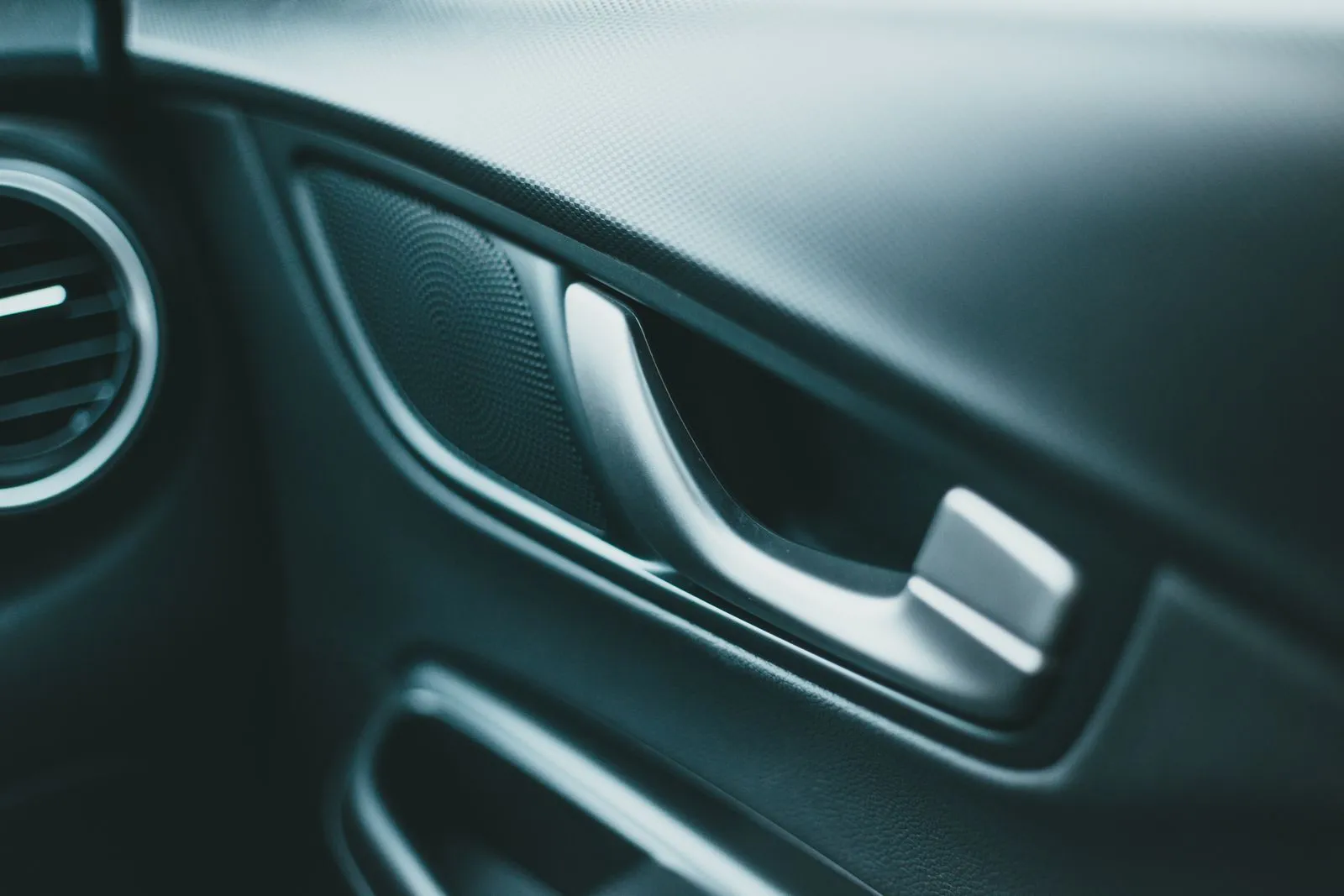
A clean cabin makes everyday driving more comfortable and helps keep dust, crumbs, and spills from building up. Interior detailing is a thorough cleaning of the areas you see and touch inside your car. The exact tasks vary with the vehicle and its condition, but most services address carpets, seats, hard surfaces, and windows. Knowing what each step involves can help you choose the right service and keep your interior in good shape between appointments.
Vacuuming carpets and upholstery
Detailers typically vacuum the seats, carpet, floor mats, and other reachable fabric surfaces. They may use narrow attachments to get into creases, around seat rails, and along the edges of the cabin, where crumbs and dust often collect. Removing loose debris first also makes later cleaning more effective.
For fabric seats or carpets with visible marks, a detailer may apply an appropriate cleaner and use extraction or another fabric-cleaning method. The process depends on the material and stain. Tell the detailer about spills or areas of concern, and allow cleaned fabric to dry fully before putting floor mats back or using the car.
Cleaning seats and touchpoints
Seats need care suited to their material. Fabric, leather, and synthetic upholstery can respond differently to cleaners, so products should be chosen accordingly. A careful clean removes everyday grime without treating every surface the same way. Leather may also receive a suitable conditioner when needed, but excess product can leave a slick or shiny finish.
Detailers also wipe frequently touched areas such as the steering wheel, door handles, armrests, seat controls, and center console. Regular cleaning helps lift fingerprints and surface grime from the places you handle most. It also leaves the cabin feeling fresher without relying on heavy fragrance to mask odors.
Wiping the dashboard and trim
A typical interior detail includes dusting and cleaning the dashboard, door panels, cupholders, console, and other hard surfaces. Small brushes or cloths can help reach vents, seams, and tight corners. Removing dust and sticky residue keeps these areas tidier and can make controls easier to see and use.
Use products intended for the surface, and avoid spraying cleaner directly into switches, vents, or screens. A soft cloth and a light touch help prevent scratches, especially on glossy trim and touchscreens. If your vehicle has delicate finishes, mention them before the work begins so the detailer can take extra care.
Cleaning glass and finishing up
Interior glass cleaning removes fingerprints, haze, and smudges from the windshield and windows. Clear glass improves visibility, particularly when low sunlight makes streaks more noticeable. A detailer may also clean mirrors and inspect the glass from different angles to catch residue that is hard to see straight on.
The finishing work can include cleaning floor mats, checking common crevices, and making sure surfaces are dry and free of leftover product. Some services address odor sources, but strong or persistent smells may need separate treatment after the cause is identified. Ask what is included, especially if you need stain removal, pet-hair removal, or deep odor treatment.
Interior detailing brings together several practical tasks: removing loose debris, cleaning upholstery and touchpoints, wiping trim, and clearing the glass. The right approach depends on your car’s materials and condition. Ask for a clear list of included services and point out any problem areas before booking. Melbourne Shine can help you discuss an interior detail suited to your vehicle.